Ink vs. Paint
INTRODUCTION: Why Ink vs. Paint Matters in Graffiti
From going on 20 years of hand-mixing ink & paint, I get asked constantly what works, what lasts, and what flows best. This guide compiles the knowledge every writer should know — from ink chemistry to paint behavior — so you can make informed choices about what to use, when to use it, and how to get the results you want. Consider it a manual for anyone serious about mastering their craft.
Pay attention…
I. The Difference Between The Two
When it comes to graffiti, writers obsess over their materials for a reason. The difference between ink and paint isn’t some minor nuance — it completely changes how a tag behaves, how it looks, how long it lasts, and how much trouble it gives the buff squad. Veteran writers know this firsthand: you don’t reach for a mop, a valve marker, or a metal-tip squeezer just because it’s in your bag. You reach for the tool that fits the mission.
Ink and paint might look similar coming out of a marker, but they act nothing alike in the real world. Ink is thinner, faster, and far more willing to run wild through a nib, giving you longer drips and better staining power — especially on porous or weathered surfaces. It seeps, it spreads, it bonds. A good dye-based ink basically becomes part of the surface. That’s why hardcore writers still swear by xylene-based formulas: they bite harder, last longer, and laugh in the face of weather.
Paint markers, on the other hand, lean more into color, opacity, and coverage. Oil-based paint can make any shade you can dream up, and when it hits a surface, it pops. Even basic colors stand out more. The tradeoff? Oil-based paint is thick — thick enough that a marker nib feels like it’s fighting it. Once that paint dries inside the nib, it’s never quite the same again. Acrylic paint (whether water-based or alcohol-based) flows better through markers, but it doesn’t hold up outdoors worth a damn. It fades fast, buffs even faster, and usually doesn’t stain the surface at all.
In mops and squeezers, the story flips. Open-flow systems love paint, even thick oil-based stuff. That squeezable body pushes paint straight out of the dauber, letting you get those sloppy, greasy drips that are impossible to fake with a regular marker. Metallic colors — gold, chrome, copper — usually run even more because the pigments behave differently. They’re beautiful, bright, eye-catching… but they’re never going to stain like a real ink.
Writers know the truth:
Paint is for style. Ink is for damage.
Paint makes a tag loud.
Ink makes a tag permanent.
And all of this matters — a lot — when choosing the right tool for the right surface, the right weather, the right spot, and the right look. Understanding how these materials behave is what separates someone messing around with markers from someone who knows exactly what they’re doing.
II. Ink vs. Paint in Markers & Mops
Flow
Flow is everything. If it doesn’t flow, it doesn’t matter how good your handstyle is — the tag will come out looking weak. Ink generally wins here because it moves through nibs with ease. It’s thin enough to drip, stain, and spread without putting up a fight. Paint, especially oil-based, is thicker and loves to clog nibs the second it dries. Cheap nibs make this even worse. Nothing kills the moment like laying down a clean line and then suddenly streaking halfway through. You go from “I’m about to crush this spot” to “damn, I look like I started writing 5 minutes ago.”
Opacity
Opacity is crucial, especially with ink. Too many writers thin their homemade mixes until they’re basically water. Then you hit a spot and realize your tag is translucent — everything underneath bleeds right through. Good paint markers usually deliver full coverage without trying, whether they’re oil-based or acrylic. Ink is trickier: most alcohol-based inks are semi-opaque and need either mixing, layering, or a strong dye/pigmented base. The goal is simple: your tag should sit on top of whatever was there, not blend into it.
UV Resistance & Fade Resistance
Fade resistance keeps your work alive. Buff crews aren’t climbing ladders unless someone is paying them overtime — if it’s high up, awkward, or in a spot that requires effort, they ignore it. That means the sun and rain become the real enemies. Cheap ink fades fast. Water-based acrylic markers basically wave the white flag outdoors. But xylene-based ink, quality pigmented ink, and good solvent-based paint? Those survive the weather like they’ve got something to prove. A good formula stays bold, bright, and readable long after everything around it has chipped and peeled.
Dry Time
Dry time hits differently depending on whether you’re using ink or paint. With ink, slower is better — not “two days slow,” but slow enough to seep deep into porous surfaces and stain hard. Fast-drying ink doesn’t stain; it just sits on top. Some writers mix in a bit of DOT3 brake fluid for extra bite, but too much and the ink never fully dries, leaving a gooey mess that wipes away. Paint, on the other hand, dries in about 5–15 minutes. It starts glossy, then cures within a day. That’s how you get that textured, finished feel you can only get with oil-based paint.
Drip Control
Ink is the king of drips in markers, no question. It’s thin, aggressive, and wants to run. Paint only really shines in mops or squeezers where the open-flow dauber lets it pour out freely. Metallic paints — gold, chrome, copper — drip even more because of the way the pigments behave. In a valve marker, though? Paint can be stubborn and inconsistent unless you know the perfect mix or use a high-end brand.
Surface Behavior
Surfaces matter just as much as the formula. Smooth glass? Everything comes off. Doesn’t matter what you used. Porous surfaces — older street signs, weather-beaten metal, rusty poles, wood, even certain plastics — are where good ink thrives. Ink sinks into scratches, cracks, and micro-textures, making buffing a nightmare. Paint might cover beautifully, but the right chemical will still strip it. Ink, especially xylene-based or heavy pigmented blends, will keep bleeding through layer after layer of fresh paint. That’s why smart writers always aim for aged, beaten, porous surfaces over shiny new ones.
III. Oil-Based vs. Acrylic Paint
Chemical Differences
Oil-based paint and acrylic paint behave differently because their entire structure is different. Oil-based formulas use a solvent carrier (often xylene, mineral spirits, toluene, etc.) mixed with heavy pigments. That solvent keeps the paint fluid until it hits the air, then slowly evaporates, leaving behind a tough, weatherproof layer. Acrylic paint is built on a water or alcohol base with acrylic polymers holding the pigment. It dries fast because the water or alcohol evaporates quickly — but once it’s dry, the film is softer, lighter, and far easier to break down under UV light or chemicals.
In simple terms:
Oil-based = tough, slow-drying, thick, long-lasting
Acrylic = thin, fast-drying, bright, easy to remove
That chemical foundation is why each one behaves so differently in markers, mops, and out in the wild.
Finish (Glossy vs. Matte)
The finish of the paint can push your handstyle over the top. Glossy oil-based paint — especially bright colors like white or yellow — looks wild on a filthy dumpster or a roll-down gate. The shine makes the letters pop instantly. Gloss usually takes a bit longer to dry, but it doesn’t change the actual durability or performance.
Matte finishes, especially flat black, hit completely differently. A matte black tag looks like the letters are carved into the surface instead of sitting on top of it. It has that “burned in” look. While you might not care about finish most of the time, certain colors just look cleaner in matte. It’s all about the vibe of the surface and the color combo.
Durability
Oil-based paint wins this category with one hand tied behind its back. Because the solvent evaporates slowly and the pigment load is heavier, the final paint layer is tough, dense, and resistant to weather. A good oil-based tag can sit outside for years and still look fresh if mixed properly.
Acrylic paint simply can’t take that kind of abuse. Water-based acrylics are strictly for blackbooks, stickers, vinyl toys, and indoor stuff. Alcohol-based acrylics look great when they’re dripping down a wall, but come back a few weeks later and the sun has already cooked half the color out of it. UV light destroys acrylic pigment fast, and rain eats away at the dried film.
Some writers mix their own oil-based paint, and depending on the formula, it can get extremely tough. The Illadel Chrome-Aluminum mix, over time, will bond into metal and rust into the steel and/or metal surface. That’s textbook solvent interaction — and once it bites in, it’s not coming off without taking some of the metal with it.
Buff Resistance
Neither acrylic nor oil-based paint was built to be buff-proof… but oil-based does put up more of a fight. Acrylic comes off with almost any cleaner. Even alcohol-based acrylic melts under strong solvents.
Oil-based paint resists chemicals longer, especially on porous surfaces or bare metal. Once it’s been sitting for a while, the chemical bond strengthens. On steel, aluminum, and uncoated metal, oil-based formulas can essentially “marry” into the surface. That’s why the Chrome-Aluminum blend rust-bonds into the steel — it’s literally fusing.
Acrylic? Even a lazy buffman with a napkin and some generic cleaner can take it off.
Typical Uses
Oil-Based Paint:
– Best for outdoor tags, gates, dumpsters, poles, mailboxes, metal boxes, etc.
– Awesome in mops and squeezers where the thick flow creates heavy drips.
– Used in some high-quality markers like Pentel and Uni, since their valves and nibs are built for thicker paint.
– Not ideal indoors unless you’re doing canvas work because the fumes will rearrange your brain cells.
Acrylic Paint (Water-Based or Alcohol-Based):
– Best for blackbooks, stickers, slaps, vinyl toys, sketching, and indoor work.
– Flows beautifully through valve markers.
– Great for clean, bright colors — terrible for outdoor permanence.
– Alcohol-based acrylic performs better than water-based, but still fades fast in sun and rain.
IV. Oil & Acrylic in Mops vs Markers
How the Valves React
Oil-based paint thrives in squeeze mops. Metallics like chrome, copper, and gold are thinner and drip beautifully when pressure is applied just right. Regular colors work equally well, giving full coverage and intense flow. The valve is key: high-quality plastic valves handle xylene or acetone without melting, but cheap valves can fail. One thing most writers don’t realize — mops aren’t perfectly airtight. If air sneaks in, solvents evaporate, the paint thickens, and the mop turns to sludge. The valve itself rarely clogs with oil-based paint, but dried-up buildup on the nib can render it unusable — swap in a fresh nib, and it’s like a brand new mop.
Acrylic paint behaves differently. The valves love it because water- and alcohol-based formulas don’t affect plastic. It flows consistently without buildup, so clogging isn’t an issue. Even cheaper valves handle acrylic with zero drama.
Nib vs Dauber Behavior
Oil-based paint in a dauber lets you lay down those signature viscous drips that make a tag legendary. The weight, consistency, and viscosity of the paint create drips that feel almost impossible to reproduce by hand. Squeeze the mop at the right time and pressure, and the letters drip perfectly — every time. It’s especially magical with metallics, where the shine accentuates the depth and motion of each letter.
Acrylic behaves more like thick ink. You can still get long, clean drips when using a mop correctly, and the colors pop beautifully, but the effect fades outdoors. For indoor studio work, blackbooks, or gallery walls, acrylic gives consistent, smooth flow without the risk of dried nibs.
Clogging Issues
Oil-based paint rarely clogs the mop itself, but over time, dried paint on the nib can make it unusable. Fresh nibs solve this instantly, as long as the paint hasn’t evaporated inside the body. Acrylic won’t clog the mop nib at all — water- and alcohol-based formulas leave no residue, so flow stays smooth every session.
Drip Characteristics
Oil-based paint creates some of the most desirable drips in graffiti. Properly applied, the viscous letters and weight produce drips that are almost impossible to replicate naturally. Acrylic delivers predictable drips too, and the color pop is undeniable, but it’s short-lived outdoors. For studio walls, sticker art, or indoor murals, acrylic’s drips look great and behave perfectly. Outdoor, though? Oil-based paint runs the show every time.
Products to Know:
Oil-based: 24K Chrome Mirror Finish, Copper, Metallic Gold blends; Pentel White, Uni PX30 Paint markers
Acrylic: OTR Soultip Paint, Posca (Uni), One-4-All (Molotow)
V. Xylene-Based vs. Alcohol-Based Ink
Evaporation Speed
Xylene-based inks evaporate slower than alcohol-based inks. This slower evaporation gives them a longer “open time,” which means the ink lays down smoothly, bonds deeply, and reduces streaking. Alcohol-based inks dry almost instantly, which is great for quick work but can lead to inconsistent flow, streaking, and clogged nibs if you’re trying to layer or blend colors.
Fade Resistance
Xylene-based inks dominate when it comes to longevity. The chemical structure allows pigments and dyes to bond tightly to porous and semi-porous surfaces, resisting UV, rain, and chemical cleaners far better than alcohol-based inks. Alcohol-based inks look good at first but fade quickly under sun and weather exposure — even a few weeks outdoors can bleach the color down to near invisibility.
Smear Characteristics
Xylene breaks down pigments and reagents evenly, preventing clumping. This keeps lines smooth, opaque, and streak-free. Alcohol-based inks, while thinner and easier to handle for short bursts, are more prone to smearing or bleeding inconsistently on rough surfaces.
Bleed-Through Power
Xylene’s chemical makeup allows it to seep into surfaces and stain deeply, making the ink almost impossible to remove. It prevents pigments or dyes from clumping in the nib or valve, ensuring continuous, smooth flow. This “bleed-through” ability is a big reason why graffiti writers love it — it stains, it lasts, and it lays down beautifully even without extra additives.
Historical Use in Industrial Marking
From the early 1970s, classic inks like Flo-Master, Pilot, Sanford and others used xylene (and toluene) as a standard solvent. The industrial world used these chemicals for marking metals, plastics, and other surfaces because they evaporated at the right speed, etched into materials, and resisted outdoor wear. Graffiti writers quickly adopted them because the results were perfect — streak-free, opaque lines that would stain and last indefinitely.
Why Graffiti Writers Adopted Xylene
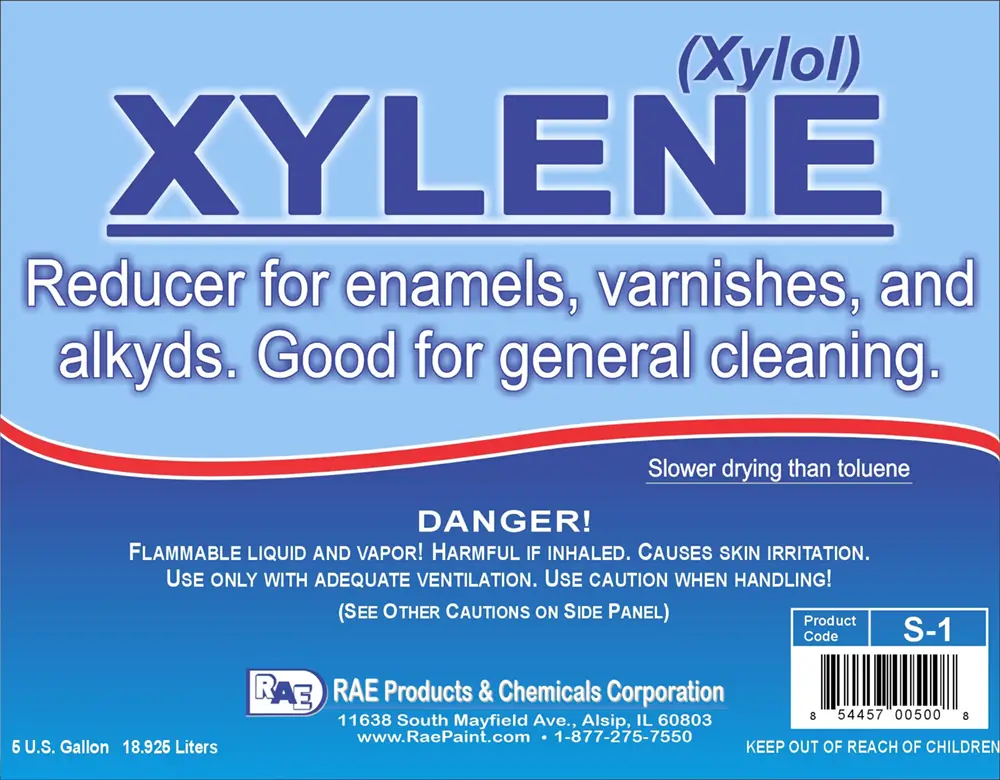
Graffiti writers are vandals by nature, and xylene is essentially the most destructive, permanent option available that doesn’t require extreme skill to lay down clean lines. It’s fast, aggressive, and bonds with almost any surface — wood, metal, painted surfaces, and even plastics. Its legendary stench is nostalgic for older writers, a signature of that “classic” xylene-era ink. Properly mixed, it glides like nothing else, giving smooth flow, deep staining, and perfect drips or fills. Too much, though, and it will eat through plastic, mops, markers, and even peel layers of skin from your hands — so respect the chemical.
Why the Industry Moved Away
The industry gradually phased out xylene because of cost, regulation, and safety. Xylene is toxic and carcinogenic, which makes shipping, handling, and workplace exposure highly restricted. Modern “safe” inks use alcohol or water-based solvents, which are far less hazardous and easier to manufacture at scale. But the tradeoff is obvious: safer formulas rarely match xylene’s flow, stain, and longevity. For graffiti writers who know what they’re doing, xylene remains unmatched in performance — a chemical gift from the gods of vandalism.
California Proposition 65 (Prop 65) & Xylene
Prop 65, officially the Safe Drinking Water and Toxic Enforcement Act of 1986, requires businesses to provide warnings if their products expose consumers to chemicals known to cause cancer, birth defects, or other reproductive harm. Xylene is one of those chemicals on the list. That doesn’t mean xylene-based inks or paints are banned outright in California, but manufacturers and sellers must label products if exposure could exceed legal limits. Over time, this has made selling traditional xylene-based inks trickier, especially in consumer markets, and has contributed to the shift toward safer, alcohol- or water-based formulas — though hardcore graffiti writers still know that the original xylene formulas perform in a league of their own.
VI. Why Xylene Was King (and Still Kind of Is)
Hard-Stain Properties
Xylene is a beast when it comes to staining. Its solvent action breaks down pigments, dyes, and reagents completely, letting the ink sink deep into the surface. This makes marks permanent, resistant to scrubbing, and impossible to fully buff. Even surfaces that normally repel paint — plastics, metal, weathered wood — can hold a xylene-based tag like nothing else.
Long Open Time
Unlike alcohol-based inks that dry almost instantly, xylene evaporates slowly, giving you a longer “open time.” This lets lines lay down smooth and even, prevents streaking, and makes blending colors or layering multiple tags effortless. For the graffiti writer, that open window is pure gold: you get control, consistency, and the freedom to lay down clean, precise handstyles.
Dye Bonding
Xylene doesn’t just sit on top of the surface — it chemically bonds with dyes and pigments. This creates bold, opaque lines that remain vibrant for months or even years. That’s part of why classic inks like Flo-Master were unbeatable: the pigment literally integrates with the surface.
Penetration into Porous Surfaces
Porous surfaces are no match for xylene. It seeps into cracks, scratches, and uneven textures, staining hard and deep. Where acrylic or alcohol-based inks just sit on top, xylene-based inks bite in, creating a tag that’s tough to remove and visually striking from the moment it hits. The combination of deep staining and chemical breakdown makes it a reliable choice for writers who want their work to actually stay put.
What Makes It Legendary for Graffiti Tags
Xylene-based ink isn’t just functional — it’s iconic. It sticks to nearly any surface, preserves itself for years when sealed, and doesn’t lose color or performance over time. Unlike other inks or oil-based paints that dry up, evaporate, or turn to sludge, xylene waits for the next session, ready to glide smoothly and stain aggressively. Even months later, your lines retain the original vibrancy and flow. The only downside? Indoor use will immediately let everyone in the room know something’s up — the smell is unmistakable, eyes water, and noses run. But for street writers, that’s all part of the legend.
For anyone searching for a serious xylene-based bombing ink, I strongly suggest Illadel Black Label Ink. It’s buffproof, bleed-thru, fadeproof and permanent on any surface. Nice & opaque, old school stank, and available in 5 colors- 2 of which dry black but turn red or blue when buffed or painted over.
VII. How Ink & Paint Adhere to Different Surfaces
Metal:
Metal is one of the most reliable surfaces for both ink and paint.
Ink (xylene, alcohol, oil-based):
– Xylene eats into the microscopic pores of oxidized or weather-beaten metal, giving you deep bite and long-term stain.
– Alcohol-based ink sits more on top but still stains lightly, especially if the metal is scratched or rusty.
– Oil-based inks cling well but can smear in humid conditions until they finally cure.
Paint:
– Oil-based paint grips metal better than almost anything. Once it dries, it bonds hard and can even rust-bond into the metal over time.
– Acrylic paint will stick, but the sun and rain will fade it fast unless it’s heavily pigmented.
– Metallic paint (chrome, aluminum, copper) looks wild on metal because the reflection doubles the contrast — perfect for dumpsters, roll-down gates, and street poles.
Weathered metal is every writer’s dream: porous enough to hold a stain, rough enough for drips to sit in the texture, strong enough to make colors pop at a distance.
Glass
Glass is the opposite — smooth, non-porous, and unforgiving.
Ink:
– Xylene lays down beautiful, streak-free lines, but it never truly stains glass. One razor blade or solvent wipe and it’s history.
– Alcohol-based inks often streak because they dry too fast on slick surfaces.
– Oil-based inks will hold their line better, but again, no stain — it’s all surface-level.
Paint:
– Oil-based paint sticks long enough to make a statement, but the first person with a scraper can take it off clean.
– Acrylic paint pops nicely and drips amazingly, but it’s almost decorative — short-lived on glass, easy to buff.
Writers prefer the Window Etch for glass. It’s all about the flex: thick drips, clean motion, fast exit, never coming off.
Plastic
Plastic is the wild card — some porous, some smooth, some chemically reactive.
Ink:
– Xylene is king here. It softens certain plastics just enough to stain or etch into them, especially cheaper or sun-damaged plastic.
– Alcohol inks behave okay on most plastics but fade the fastest.
– Oil-based inks can smear if the plastic has oils or residue on it. They need a clean hit.
Paint:
– Oil-based paint grips surprisingly well on textured or matte plastics (electrical boxes, sign backs, utility covers).
– Acrylic paint looks good on day one but gets destroyed by sunlight — plastics heat up fast, and UV cooks acrylic right off.
If you’ve ever seen a 10-year-old xylene tag on a beat-up electrical box that survived 20 summers, you already know why writers trust it.
Brick
Brick is pure porous glory.
Ink:
– Xylene soaks into brick like holy water into dry soil — deep, permanent, unbuffable.
– Alcohol-based ink stains brick well, but sunlight beats it down faster than xylene.
– Oil-based ink also stains brick solidly, though not as aggressively as xylene.
Paint:
– Oil-based paint covers brick like a dream. Thick, opaque, textured.
– Acrylic paint works too, but uneven surfaces make it harder to get full coverage, and UV fade hits fast.
Brick + xylene or oil-based paint = a tag that outlives the building.
Porous vs. Non-Porous Surfaces
Porous:
Concrete, brick, weathered metal, untreated wood, some plastics.
– They absorb ink and paint.
– Xylene, alcohol, oil-based formulas all stain well.
– The more porous the surface, the longer it takes to buff — sometimes impossible.
Non-Porous:
Glass, polished metal, tile, sealed plastic.
– Ink sits on top → easy to clean.
– Paint bonds more than ink, but still removable.
– You’re relying on line quality, drips, and placement more than permanence.
Porous = longevity.
Smooth = style points.
Weather Impact
Weather controls everything.
Sun:
– Acrylic suffers most — fades fast.
– Alcohol-based inks lighten quickly.
– Xylene-based ink is nearly UV-proof.
– Oil-based paint holds color for years unless the pigment is weak.
Rain:
– Once dry, oil-based paint laughs at rain.
– Xylene-based ink shrugs it off unless it’s fresh.
– Acrylic paints wash out faster and lose saturation.
Cold:
– Paint thickens, drips slow.
– Inks behave more normally but can streak if the solvent thickens.
Heat:
– Solvents evaporate quicker → can cause streaking in markers.
– But drips look chef’s kiss in warm weather.
Writers adjust formulas based on the season whether they realize it or not.
Why Writers Choose Certain Formulas for Certain Cities/Surfaces
It all depends on the writer.
Some guys don’t care. Sharpie, dollar-store marker, whatever — “up is up.”
Others treat it like an artform and a science project mixed into one.
Some writers obsess over the right mop, the right viscosity, the right shade of blue for the background they’ll hit. Others bring a single marker and call it a night.
But one rule never changes: your formula needs to match your mission.
– Porous city? You want xylene-based or oil-based so it stains deep.
– Clean suburban town? Bring the buffproof artillery — xylene-based inks, bleed-through mixes, and high-opaque pigments to make the locals lose their minds.
– Big city with bigger problems than graffiti? You can experiment — acrylic, alcohol, whatever — because it’ll sit for a while before anyone cares.
– If it’s a real mission night? Xylene-based everything — maximum destruction, maximum permanence.
A proper kit always includes:
– A bulletproof black like Illadel OG Black or Molotow Coversall
– A chrome killer like Illadel 24K or Grog MCP
– And at least a couple banger colors from OTR Soultip Paint or Illadel Colorz Premium
Bright colors for visibility.
Chrome for shine.
Black for dominance.
Xylene for war.
VIII. Recommendations
When to Use Paint vs. Ink
Choosing between paint and ink isn’t just preference — it’s mission-critical.
Ink (xylene-based, alcohol-based, or oil-based)
– Use for permanence. If you want your tag to stain deep, survive sun, rain, and buff attempts, ink is the weapon of choice.
– Perfect for porous surfaces like brick, weathered metal, or older signage.
– Ideal for quick handstyles and tags where streak-free, precise lines are important.
– Great for style that needs to be seen, especially in high-traffic or high-visibility spots.
Paint (oil-based or acrylic)
– Use when you want visual impact. Paint covers more, pops with bright colors, and has a glossy or matte finish that turns a plain surface into an eye-catcher.
– Best for mops and larger pieces where drips and textures enhance the aesthetic.
– Acrylic paint is best for indoor work, blackbooks, stickers, or short-term installations, while oil-based paint dominates outdoor walls and durable murals.
– Paint is more forgiving for blending and layering, but less durable under weather and buffing than ink.
Beginners vs Experienced Writers
Beginners:
– Start simple. Focus on control and flow before obsessing over formulas.
– Alcohol-based inks or acrylics are easier to handle, lower risk, and teach you drip and line control without destroying nibs or mops.
– Stick to one or two colors to get comfortable — practice streaks, drips, and consistent letters on safe surfaces like scrap wood or old walls.
Experienced Writers:
– Use your knowledge of surfaces, weather, and city regulations to pick the perfect formula for each mission.
– Xylene-based inks and oil-based paints give the full spectrum of control, stain, and longevity.
– Mix and match colors strategically — black for dominance, chrome or metallics for shine, and bright opaque colors to catch attention.
– Use your arsenal based on surface porosity, outdoor exposure, and desired permanence.
Don’t forget…
Always test on a small area first if the surface is new to you.
Remember: streaks and drips can be controlled — practice flow and pressure to perfect them.
Ink vs. paint: Ink for permanence and deep staining, paint for visual impact and textures. Choose based on surface, mission, and longevity.
Surface matters: Porous surfaces = longevity, non-porous = style points. Know your canvas.
Xylene is legendary: Long open time, hard stain, deep penetration — it’s the secret weapon for serious writers.
Weather and environment: Match your formula to conditions — UV, rain, and temperature affect everything.
Beginner vs. experienced strategies: Beginners focus on control and flow; experienced writers fine-tune formulas, surfaces, and colors to perfection.
Your arsenal: Always have a black, a metallic, and a bright accent color for maximum flexibility.
This guide compiles years of street-tested experience and chemical insight to help any writer make informed choices. Use it wisely, respect the materials, and always think ahead before you hit the wall — your craft deserves it.